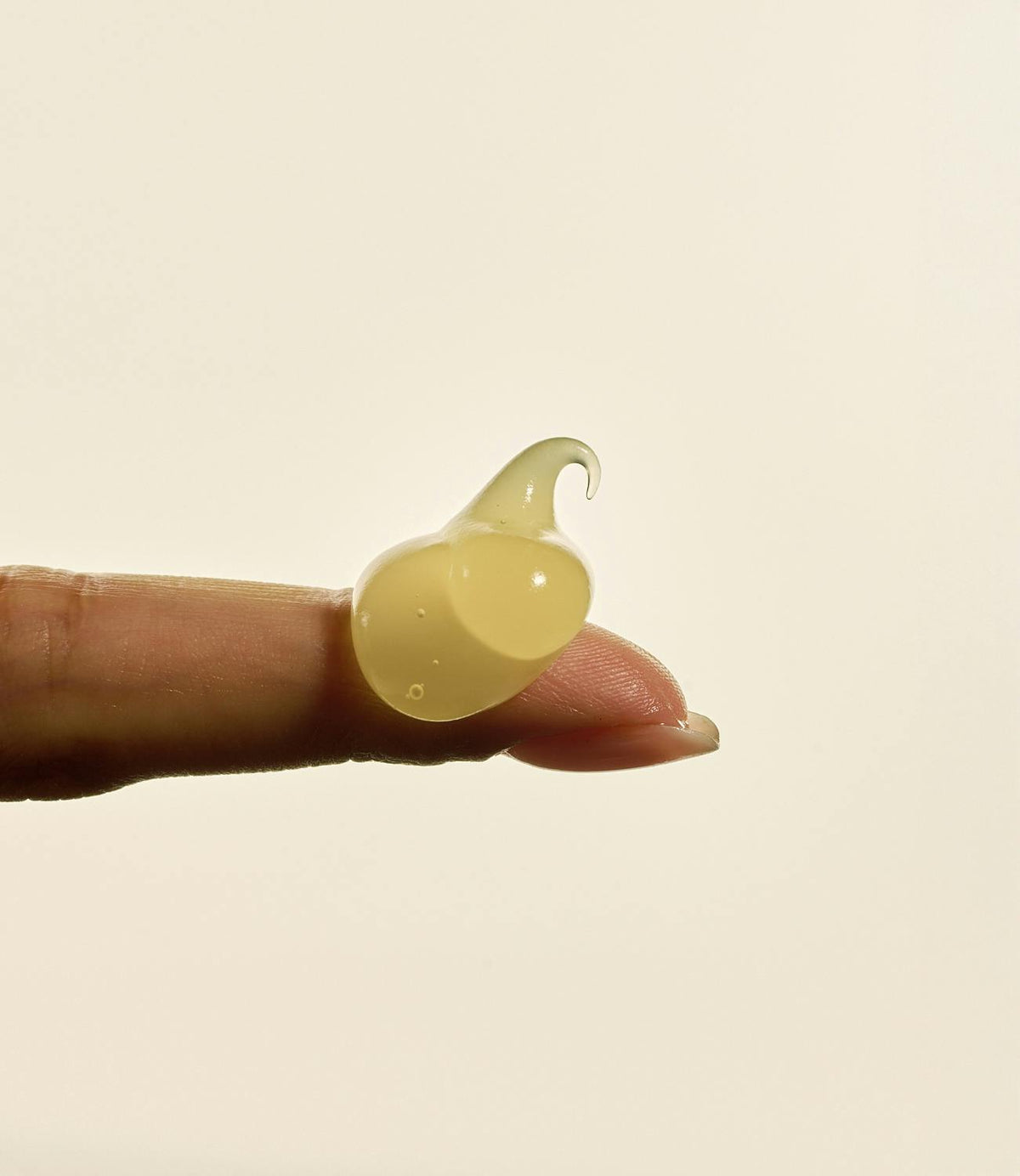
A sunscreen reads as truly invisible when its UV filters carry no visible pigment and its texture is fine enough to sink in without leaving a film. Most of the white cast people notice comes from a formula that sits on the surface of the skin as pale particles that scatter light, whether from the filters themselves or a heavy base. The other decider is fit: a formula can disappear on fair skin and still turn ashy on deep skin, so real invisibility means it clears across every tone, not just some. Texture, finish, and skin-tone fit are the three things that separate a sunscreen that vanishes from one that only claims to.


What "invisible" actually means
Invisible is not a regulated term, so brands use it loosely. In practice it should mean three things at once. The product leaves no white or grey cast once rubbed in. It does not sit on top of skin as a visible layer or change your complexion. And it holds that clarity as it wears through the day, rather than blooming pale after an hour. A sunscreen that meets only the first test in a mirror indoors can still betray a cast in daylight or on camera. True invisibility is about how the film behaves on skin, not how the cream looks in the jar.
Why some sunscreens leave a white cast
Filters and bases differ in how much they scatter visible light. Some leave pale particles on the surface that can read as a white or violet-grey cast, most visible on medium and deep skin tones. Others carry no inherent pigment and tend to disappear more readily. Shield is formulated with a lightweight base and filters chosen to wear clear, which is one reason it goes on without a visible layer.
Filter type is not the only factor. A heavy or waxy base can leave its own sheen even when the filters themselves are clear. High filter loads, thick emulsifiers, and certain water-resistant polymers can all add a film you can see. And formulas that separate or ball up on application will look uneven no matter what is inside them. Invisibility is a whole-formula outcome, not a single ingredient.
Invisible is a claim. Skin is the test
The three things that decide invisibility
Texture. A fluid that spreads thin and absorbs quickly has less material left on the surface to catch light. Lightweight, fast-absorbing formulas almost always wear more invisibly than dense creams. If a sunscreen feels heavy going on, it will usually look heavier too.
Finish. Some sunscreens dry down matte, others leave a dewy or glossy sheen. Neither is wrong, but a strong finish in either direction reads as a visible layer. The most invisible formulas settle into skin's own texture rather than adding a distinct surface of their own.
Skin-tone fit. This is the test most reviews skip. A sunscreen that disappears on light skin can still cast ashy on deep skin because pale filters and pale bases show more against darker complexions. A genuinely invisible SPF clears across the full range of tones, and the only way to know is to see it worn on skin like yours.
How to test a sunscreen for true invisibility
You can judge most of this yourself in a few minutes.
- Apply a full amount, not a smear. Sunscreen only protects at the dose it was tested at, roughly a quarter teaspoon for the face. A thin swipe hides a cast that a real layer would reveal, so test at the amount you would actually wear.
- Check it in daylight. Indoor light is forgiving. Step to a window or outdoors and look for grey, violet, or chalky tones, especially around the hairline, nostrils, and jaw.
- Wait ten minutes. Some formulas look clear on contact and bloom pale as they set. Give it time before you decide.
- Look on your own skin. Swatches on a stranger's arm tell you little. Photos of the product worn on a range of skin tones are far more useful than the word "invisible" on a label.
- Read the filter list. If you tend to see a cast, note whether a formula leans on mineral or organic filters, and match that to your own experience.

Where a formula like Shield fits
LOOV built Shield, an invisible broad-spectrum SPF 45 that doubles as a daily moisturizer, around exactly these principles. It uses filters that carry no pale pigment, and the texture is lightweight and fast-absorbing, which keeps material from sitting on the surface. It is fragrance-free, formulated to be non-comedogenic, water resistant for 80 minutes, dermatologist tested, and made in Los Angeles. It is designed to disappear into skin rather than layer on top of it, which is what invisibility asks of a sunscreen.
The larger point holds whatever you choose. Invisible is a claim, not a guarantee, and the honest test is on your own skin, in real light, at a full dose. If you want a single daily option that is engineered to go on clear and hydrate at the same time, the invisible SPF 45 face formula is a straightforward place to start. Protection you will actually reapply is protection that disappears, and the two go together more often than the marketing suggests.

